Slab Leak Repair in Abilene, TX
Last updated:
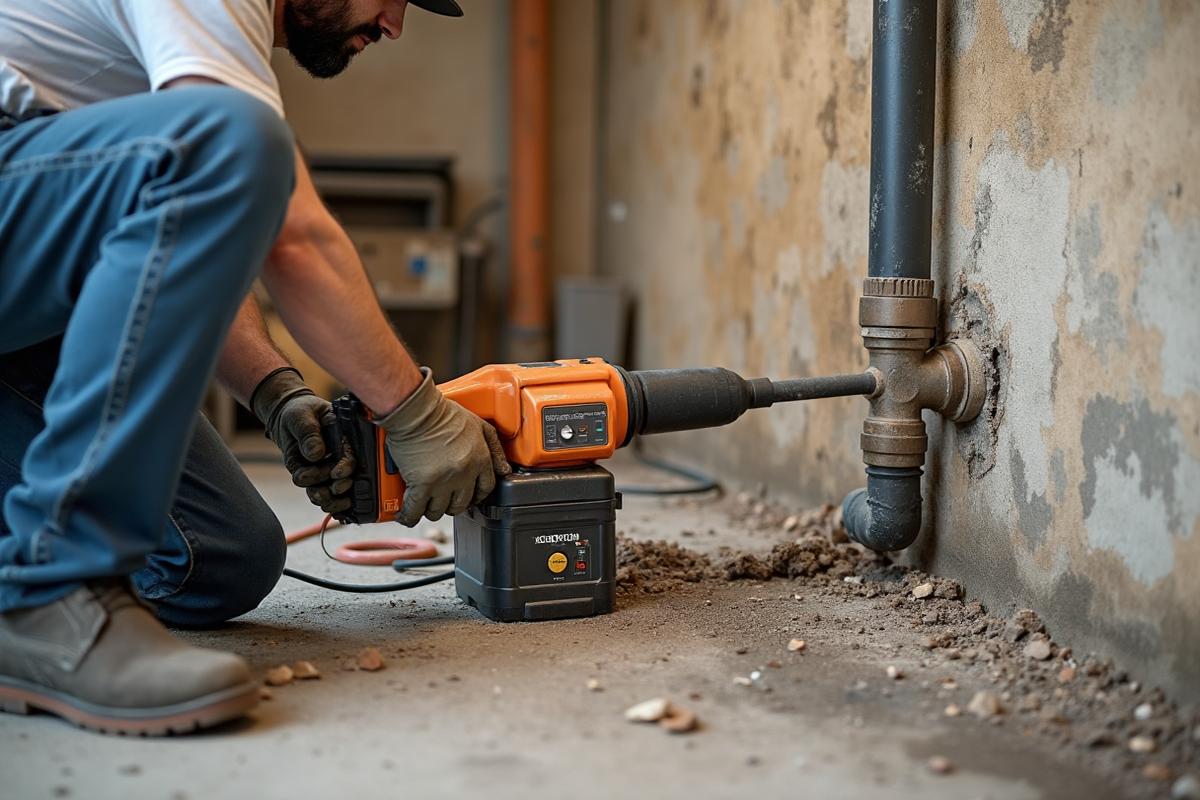
Expert detection and repair of plumbing leaks beneath concrete slabs. Our advanced leak detection technology locates problems without destructive digging, and our proven repair methods protect your foundation from water damage while minimizing disruption to your home.
Signs You May Have a Slab Leak
Act Fast - Slab Leaks Cause Serious Damage
Slab leaks can undermine your foundation's stability, cause extensive water damage, and create mold problems. Early detection and repair prevent catastrophic damage and expensive remediation.
Unexplained increases in water bills despite normal usage
Sound of running water when all fixtures are turned off
Warm or hot spots on floors, especially over water lines
Cracks appearing in concrete floors or foundation walls
Mold or mildew growth in unexpected areas of the home
Low water pressure throughout the house
Pooling water around the foundation exterior
Damp or wet areas on floors with no apparent source
Advanced Leak Detection Technology
Electronic Leak Detection
Advanced electronic equipment pinpoints exact leak locations beneath concrete slabs without destructive excavation.
- Non-invasive detection
- Precise location accuracy
- Saves time and money
Thermal Imaging
Infrared cameras detect temperature variations caused by water leaks beneath slabs, revealing hidden problems.
- No concrete breaking
- Visual confirmation
- Immediate results
Acoustic Detection
Sensitive acoustic equipment listens for sounds of running water beneath concrete floors to locate leaks.
- Highly accurate
- Works on pressurized lines
- Professional grade equipment
Professional Repair Solutions
Spot Repair
Targeted repair of individual leak points with minimal concrete removal and quick restoration.
- Minimal disruption
- Cost effective
- Quick completion
Pipe Rerouting
Installing new plumbing lines around the existing slab to bypass problematic sections entirely.
- Avoids future leaks
- No slab penetration
- Long-term solution
Epoxy Pipe Lining
Internal pipe coating that seals leaks and prevents future corrosion without excavation.
- No digging required
- Extends pipe life
- Environmentally friendly
Our Slab Leak Repair Process
Emergency Response
Immediate response to minimize water damage. We assess the situation and take steps to prevent further foundation damage.
Precise Detection
Advanced leak detection equipment pinpoints exact leak locations without destructive excavation or guesswork.
Targeted Repair
Professional repair using the least invasive method appropriate for your specific leak situation and home layout.
Foundation Protection
Complete restoration with foundation protection measures to prevent future water damage and ensure long-term stability.
Why Choose Abilene Foundation Repair for Slab Leaks?
24/7 Emergency Service
Slab leaks don't wait for business hours. Our emergency response team is available around the clock to prevent catastrophic water damage to your foundation.
Advanced Equipment
Professional-grade detection equipment and repair tools ensure accurate leak location and efficient repairs with minimal disruption to your home.
Foundation Expertise
Our foundation specialists understand how slab leaks affect structural integrity and provide comprehensive solutions that protect your entire foundation system.
Insurance Assistance
We work directly with insurance companies and provide detailed documentation to help maximize your coverage for slab leak repairs and related foundation work.
Minimal Disruption
Our advanced repair techniques minimize concrete removal and restoration time, getting your home back to normal as quickly as possible.
Comprehensive Warranty
All slab leak repairs come with comprehensive warranties covering both the plumbing work and any related foundation protection measures.
Don't Let Slab Leaks Damage Your Foundation
Every minute counts when you have a slab leak. Professional detection and repair prevent catastrophic foundation damage and protect your home's structural integrity.
Complete Foundation Solutions
Complete foundation solutions for your home's needs
Foundation Repair
Expert foundation repair using advanced pier systems for Abilene's clay soil conditions.
Learn MoreDrainage Solutions
Prevent future foundation damage with proper drainage systems.
Learn MoreSlab Foundation Repair
Fix cracking, heaving, and settlement in slab-on-grade foundations.
Learn MoreYour Foundation Repair Journey
Simple, transparent process from inspection to completion
Free Inspection
Professional assessment of your foundation and soil conditions
Schedule InspectionCustom Estimate
Detailed repair plan and transparent pricing for your specific needs
Get Your EstimateExpert Repair
Professional installation using proven methods and quality materials
View ServicesReady to get started? Schedule your free foundation inspection today.
Why a Plumbing Leak Becomes a Foundation Problem
Under a slab in expansive clay, a leaking supply line is a soil problem before it is a plumbing bill. Water escaping under pressure keeps one zone of clay continuously saturated, and saturated clay swells. While the rest of the lot goes through its normal summer shrinkage, that patch stays expanded — and the slab above is supported unevenly.
A leaking drain line does the opposite kind of damage. Rather than swelling the soil, escaping water can wash fine particles out of it over months, leaving voids the slab has nothing to bear on. Both mechanisms produce cracks that look exactly like ordinary settlement.
That is why sequence matters. Find and fix the leak, let the soil come back toward equilibrium, and only then assess whether structural work is still needed. Piering a slab over an active leak stabilises nothing, and elevation readings taken on recently saturated clay give a target that will not hold.
Slab Leak Repair Options Compared
| Option | Typical cost | Lifespan / duration | Best for | Notes |
|---|---|---|---|---|
| Electronic detection | Priced as its own step | N/A — diagnostic | Every job, before any concrete is cut | Acoustic listening, pressure isolation and thermal imaging narrow the leak before demolition. Ask to see the locate. |
| Spot repair | Lowest of the three repairs | Permanent for that section | A single failure in otherwise sound pipe | Cut, repair, pressure test, patch. Usually one day. Poor value if the same line has already failed once. |
| Reroute overhead | Higher up front | Ends under-slab failure for that run | Old galvanized pipe or repeat leaks | New line through attic and walls, 2–4 days, plus drywall repair. Cheaper than a third spot repair. |
| Epoxy pipe lining | Varies with accessible length | Manufacturer-rated, decades | Long runs where cutting is impractical | Lines the existing pipe from inside. Needs sound host pipe — not an option once a line has collapsed. |
Slab Leak Repair FAQs
What are the signs of a slab leak?
A water bill that jumps with no change in usage is usually the first clue. After that: the sound of running water when every fixture is off, a warm spot on the floor if the leak is on the hot line, unexplained damp patches or lifting flooring, a persistent musty smell, and — the one that brings people to us — new foundation cracks or a section of slab that has started moving. That last connection is why slab leaks matter beyond the plumbing bill. A leak under an Abilene slab keeps one area of expansive clay permanently saturated while the rest of the lot dries in summer, and that differential is exactly what cracks a foundation. If your water meter's leak indicator moves with all fixtures shut off, you have a leak somewhere. Abilene Foundation Repair locates it before recommending any structural work, because piering over an active leak fixes nothing.
How do you find a leak under a concrete slab?
Without breaking the floor first. Electronic acoustic equipment amplifies the sound of water escaping a pressurized line, which lets us trace it along the pipe run. Pressure testing isolates which line is leaking — supply, hot, or drain — by sectioning the system and watching where pressure drops. Thermal imaging finds hot-water leaks by the heat signature they leave on the slab surface. Line tracing maps where the pipes actually run, which frequently differs from the original plans. Combining those narrows a leak to within a small area before any concrete is cut, which is the whole point: the cost difference between a targeted repair and exploratory demolition is substantial. Abilene Foundation Repair does the detection as a distinct step with its own result you can see, rather than starting to cut and hoping. Ask any plumber to show you the locate before they break the floor.
Should I repair the pipe or reroute it?
It depends on the pipe's age and how many times it has failed. A spot repair — breaking a small section of slab, fixing the damaged length, and patching the concrete — is cheaper and right for a single failure in otherwise sound plumbing, typically a line damaged during construction or by shifting soil. Rerouting abandons the under-slab section entirely and runs new line overhead through the attic and down walls, which costs more up front but ends the problem permanently for that run. Rerouting is usually the better economics when the pipe is old galvanized or the same line has leaked more than once, because each subsequent spot repair means cutting the floor again. Abilene Foundation Repair quotes both where both are viable and explains which we would choose and why, rather than defaulting to whichever is more profitable.
Can a slab leak actually damage my foundation?
Yes, and in Abilene it is one of the more common causes of localized foundation movement. The mechanism is moisture imbalance rather than water pressure. Expansive clay swells when it takes on water, so a leak keeping one zone under the slab continuously wet makes that section of soil expand and stay expanded while the surrounding lot goes through normal drying cycles. The slab is then supported unevenly and cracks where it is stressed. A drain-line leak can do the opposite kind of damage by washing fines out of the soil and leaving voids the slab has nothing to bear on. Either way the repair sequence matters: fix the leak, let the soil stabilize, then assess whether structural work is still needed. Abilene Foundation Repair frequently finds that a foundation which looked like it needed piers needed a plumber first.
How long does slab leak repair take?
Detection is usually a few hours. The repair itself depends on the method. A spot repair is typically a one-day job: cut the slab, expose the pipe, make the repair, pressure test, and patch the concrete, with the patch curing over the following days. A reroute takes longer, generally two to four days, because new line has to be run through the attic and down interior walls, and there is drywall repair afterward. Water is off only while the actual connection is made, not for the whole job. Abilene Foundation Repair gives you the shutoff window in advance so you can plan around it. If the leak has run long enough to affect the foundation, add time for the soil to stabilize before any structural assessment — moving too fast to pier a slab over recently saturated clay gives a reading that will not hold.